Knowledge Repository
Explore our collection of knowledge resources and documents.
Find valuable information below.

The Intimate Partner Violence (IPV) Screening Intervention
The Intimate Partner Violence (IPV) screening intervention, implemented at Groote Schuur Hospital (GSH) by the GSH Trust, aims to identify and support patients affected by IPV. The project leverages a digital screening tool and integrates it into standard patient care. The tool uses a simple questionnaire to detect signs of IPV and provides immediate onsite counselling and referrals to external Gender Based Violence (GBV) services if required.
Date: 2026/09/22
Version: 0.1
Tags:
Public Health Innovations
Gender Based Violence Interventions
Greenstick Project
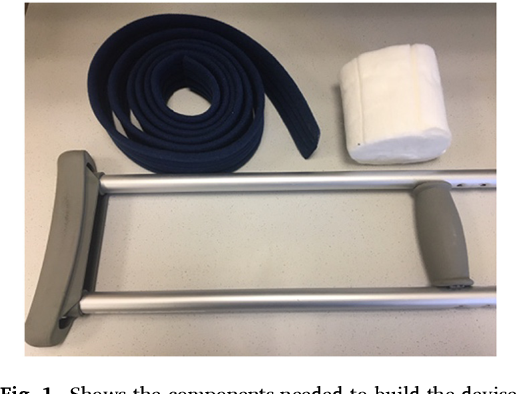
A femoral traction splint is a mechanical device that uses traction to align and provide stability to femoral fractures. Femoral traction splints are used in the acute management of femur fractures to minimise pain, pulmonary complications, blood transfusions and neurovascular complications to the limb prior to surgery. Femoral traction devices are an essential piece of equipment in the emergency centre. Unfortunately, despite many benefits of traction splints, there is still limited availability in low- and middle-income countries. At Mitchells Plain District Hospital, there was an upsurge of femur fractures due to ballistic trauma and subsequently a high demand for femoral traction splints as part of the acute management of these fractures. Faced with this challenge, and limited and costly commercial femoral traction splints, the Orthopaedic Department at Mitchells Plain District Hospital designed its own improvised femoral traction splint.
Date: 2026/09/17
Version: 0.1
Tags:
Public Health Innovations
Disability Interventions/Prevention
The Groote Schuur Hospital Data Centre
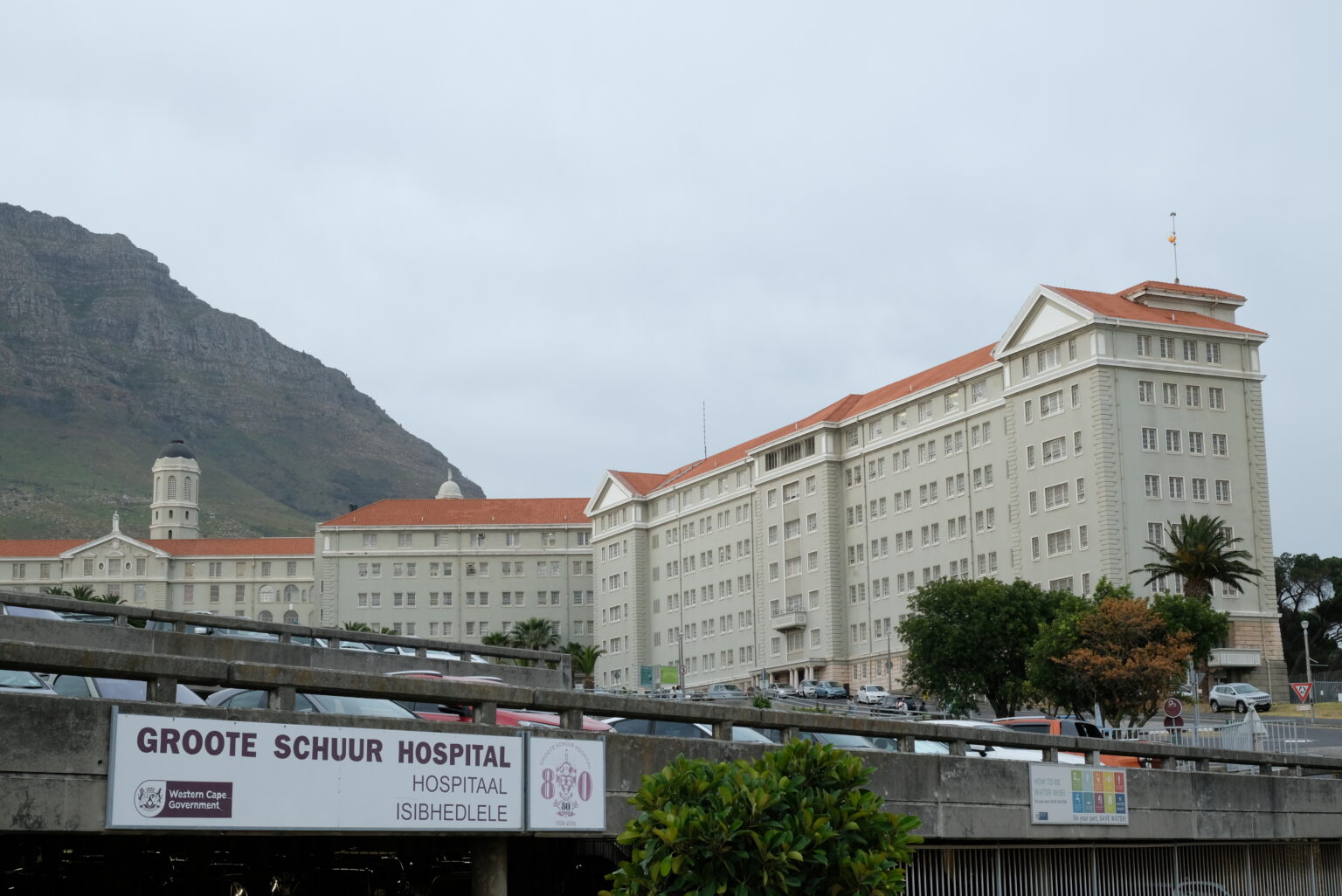
The Groote Schuur Hospital Information Management Unit developed a new system of in-house Functional Business Unit report generation, to improve management and oversight of the hospital’s operations budget and revenue according to strategic priorities. This included development of onsite and cloud data storage; creation of new data collection tools and methods; renewed emphasis on income categorisation; case management and revenue generation focus.
Date: 2026/09/16
Version: 0.1
Tags:
Public Health Innovations
Data Management
.jpg)
Triage Clinic: Helping Patients and their Families Navigate a Complex Referral System
Late identification and referral was one of the challenges observed in the Speech Therapy and Audiology (STA) Department at the Chris Hani Baragwanath Academic Hospital (CHBAH). One of the main reasons children were identified late was due to long waiting times for appointments and/or incorrect referrals. To address this challenge the hospital initiated a triage service to sort and sift patients into appropriate services within the department and externally. The Triage Clinic runs four afternoons a week and is coordinated by a speech therapist and audiologist. The clinic provides an interdisciplinary screening service for paediatric patients at risk of or having hearing, communication and feeding disorders.
Date: 2026/09/01
Version: 0.1
Tags:
Public Health Innovations
Disability Interventions
Multidisciplinary Approach to Healthcare
Outpatient Team-based Models to Facilitate Integrated Patient Care
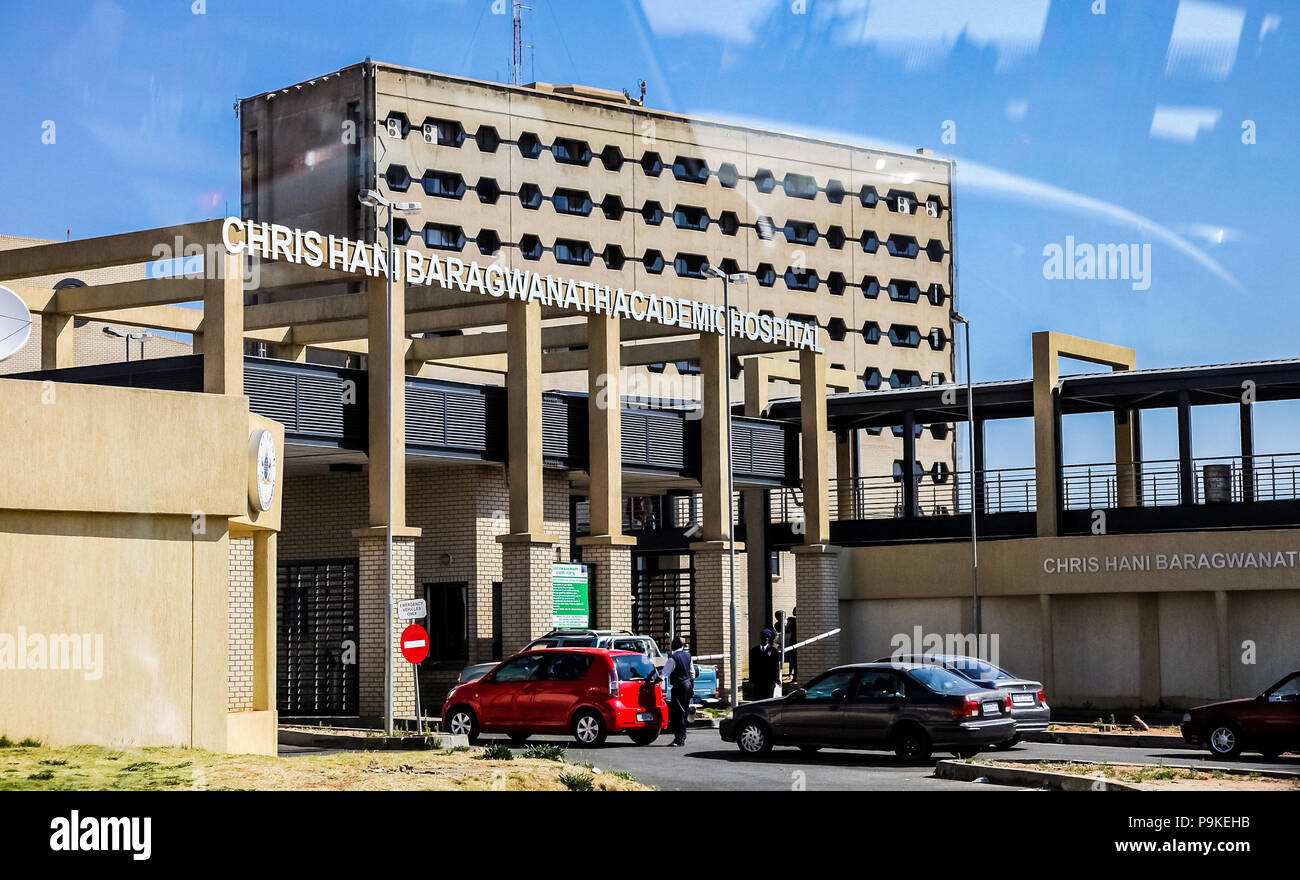
Stroke/head injury survivors often present with difficulties communicating, swallowing, mobility, activities of daily living and reintegration into society. Their complex needs requires integrated, coordinated team approaches. South Africa has approximately 90 stroke survivors daily. Approximately 89000 cases of head injury are reported annually with limited numbers of professionals providing rehabilitation services. Chris Hani Baragwanath Academic Hospital (CHBAH) as a central hospital and the largest in Africa with approximately 3400 beds, deals with a huge number of patients with head injuries. After a median length of hospital stay of nine days, patients transition into out-patient services. Currently 2% of patients are accessing step-down facilities. This was found in a recent research study at the hospital Previously, patients were booked straight into general out-patient appointments resulting in increased waiting times, decreased therapist capacity and poor appointment utilization due to missed initial appointments/patient spontaneous recovery. Patients were booked for three separate appointments on different dates for all disciplines resulting in increased financial and caregiver burden, and poor attendance rates. The hospital therefore implemented a trans-disciplinary screening service and an inter-disciplinary out-patient service developed by the team (speech therapy, occupational therapy, and physiotherapy) at CHBAH to overcome the aforementioned patient and logistical challenges.
Date: 2026/09/01
Version: 0.1
Tags:
Public Health Innovations
Disability Interventions
Multidisciplinary Approach to Healthcare
.webp)
SkipTheQ
SkipTheQ is a digital solution implemented at Kalafong Tertiary Hopital’s Pharmacy to drastically reduce patient waiting times for chronic medication. It allows patients to book medicine collection slots online, Android App or via Whatsapp, guaranteeing collection in 15 minutes or less. The system integrates with existing workflows and addresses a long-standing challenge in public healthcare – long queues and overcrowding.
Date: 2026/08/04
Version: 0.1
Tags:
Public Health Innovations
Pharmacy Solutions
High Volume Cataract Service
The Western Cape Department of Health needs to do 2000 cataract surgeries per million population per year (currently about 6 600 operations for the metropole) to prevent cataract blindness according to the World Health Organisation (WHO). Eerste River eye clinic was started to increase the number of cataract surgeries in the Cape Town Metropole and also the wider Western Cape. The only hospitals where a significant amount of cataract surgery was done were Tygerberg Hospital (1000) and Groote Schuur Hospital (1200). The province was falling far short of the recommended cataract surgery rate. The solution was a high volume cataract service which was started at Eerste River Hospital.
Date: 2026/06/30
Version: 0.1
Tags:
Public Health Innovations
Disability Interventions
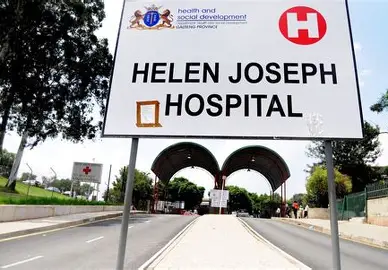
Using Pharmacy Automation to Improve Service Delivery in a High-Volume HIV Treatment Facility
Pharmacy Automation at Helen Joseph Hospital’s Thembalethu Clinic was an initiative between Right to Care, a NGO and Helen Joseph Hospital. Its aim was to demonstrate how pharmacy automation can improve service delivery as well as supporting the scale up of HIV services at Thembalethu Clinic (Helen Joseph Hospital), one of the largest HIV programmes in the country.
Date: 2026/06/29
Version: 0.1
Tags:
Public Health Innovations
Pharmacy Solutions
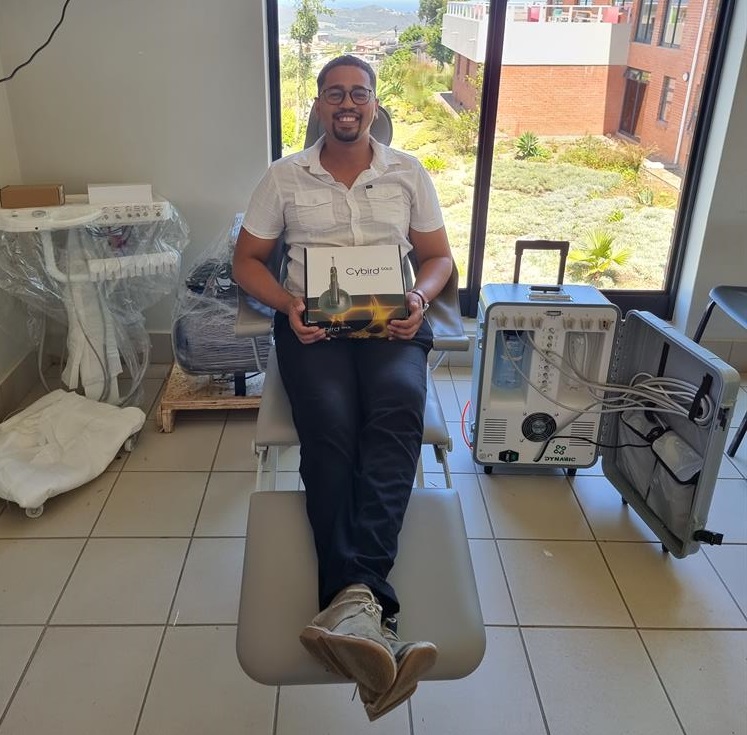
Dental Service Innovation: Transforming Oral Health Services in the Knysna and Bitou Sub-district
Knysna Provincial Hospital transformed rural oral health services by redesigning care delivery through expanded rural access points, extended clinic hours, improved patient flow systems, and strategic community partnerships to ensure sustainable, patient-centred, and preventative dental care for underserved populations.
Date: 2026/06/23
Version: 0.1
Tags:
Public Health Innovations
Services to Rural Communities
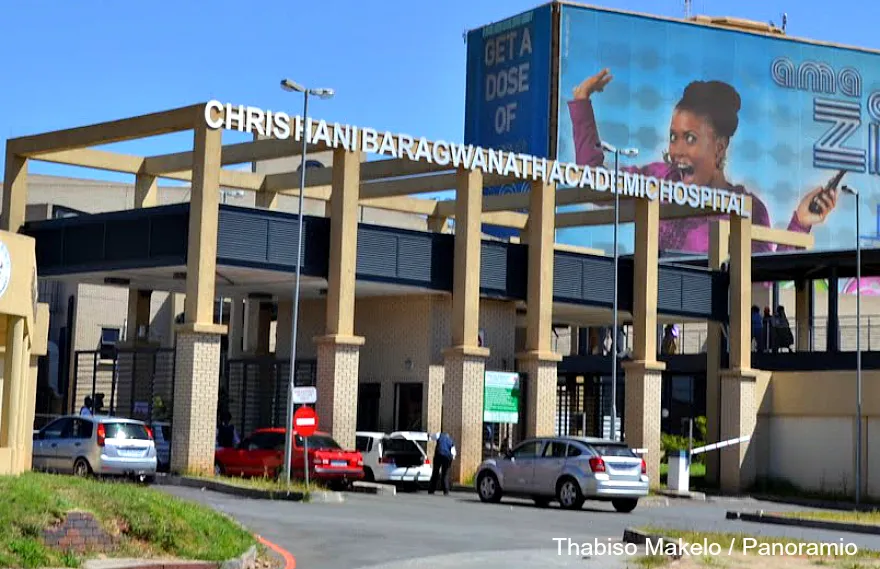
Breaking Barriers to Offer Evidence-Based Services for Patients with Parkinson's Disease in Gauteng
Progressive neurological disorders constitute a mounting crisis in Sub-Saharan Africa, where Parkinson’s disease prevalence ranges from 10 to 235 per 100 000 people. With cases projected to double by 2030 due to population aging, this represents a significant unaddressed healthcare challenge. The burden disproportionately affects low and middle-income countries, where healthcare infrastructure remains inadequate to meet growing demand. In response to this crisis, Chris Hani Baragwanath Academic Hospital established the first comprehensive Parkinson’s Group service in public healthcare. This group service was designed as a comprehensive response to the multifaceted barriers faced by patients: increased burden of disease in South Africa, lack of access to healthcare services, poor socio-economic standards of living, technological barriers and health literacy challenges.
Date: 2026/06/09
Version: 0.1
Tags:
Public Health Innovations
Multidisciplinary Approach to Healthcare
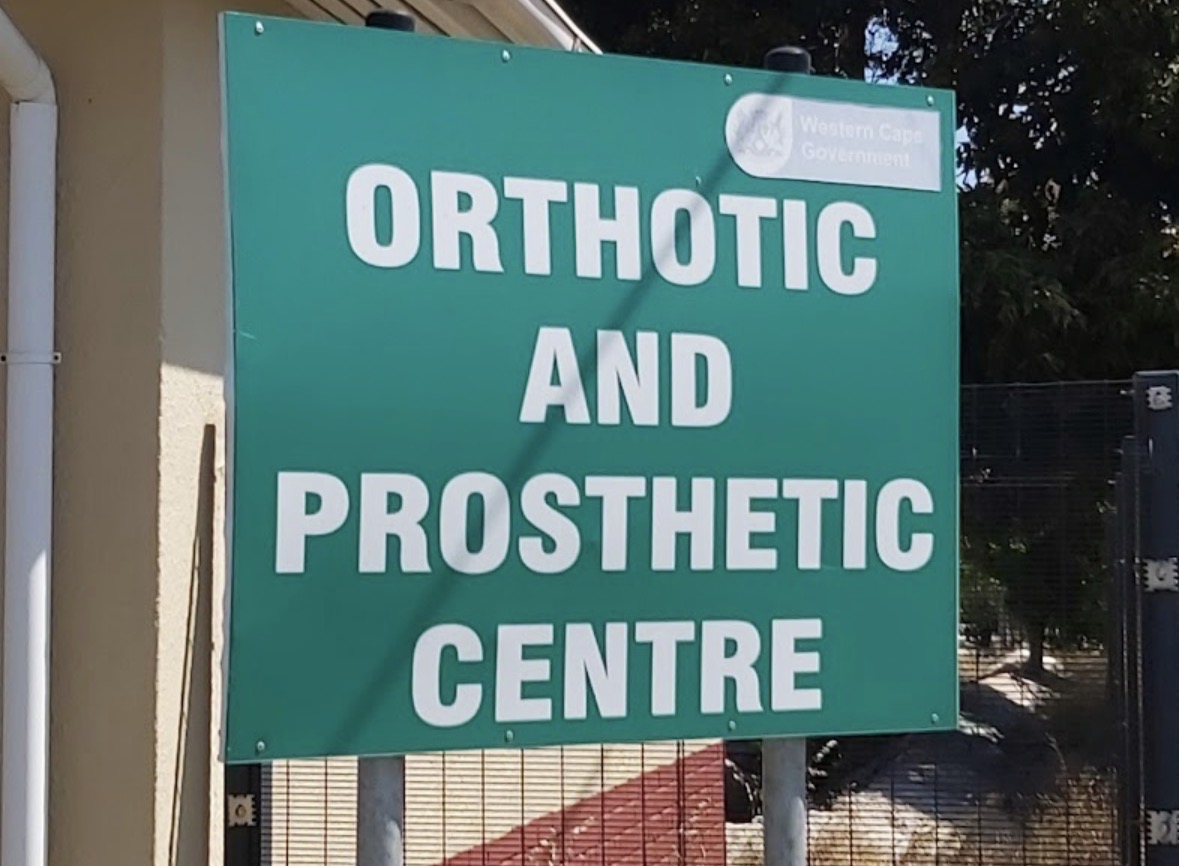
3D Foot Scan, Gait Analysis Pressure Plate and Milling Machine
The previously labour intensive, time-consuming and inefficient processes, risk to service continuity, poor patient experience and missed opportunities were identified in the manufacturing process of Custom Made Innersoles. Several challenges were faced. The age profile of the Footwear Department and severe national shortage of Orthopedic Footwear Technicians. A diversification of roles and the use of technology were identified to mitigate this risk. Previous innersoles were required to be replaced every 6 – 8 months due to the quality of product currently available. This added unnecessary expense and required multiple visits by patients. The waiting time for patients in the Metro were 2-3 weeks and rural areas had to wait 8 – 12 weeks for innersoles. Patients who required moulded custom products needed to travel to OPC for moulding and fitting. This cannot be done by OSs at PHC facilities. Casting a patient’s foot with POP is a relatively crude process and products often must be adjusted at the fitting stage of their management. This prolonged the fitting appointment. Rural patients need to wait between 3-6 months for an appointment with an Orthotist for both the assessment and fitting on the product.
Date: 2026/05/28
Version: 0.1
Tags:
Public Health Innovations
Disability Interventions
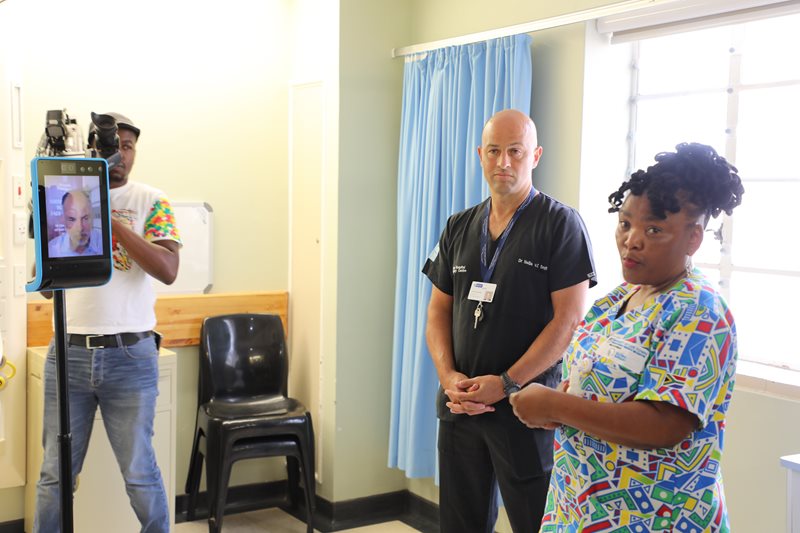
TeleICU – Saving Lives from a Distance
George Regional Hospital (GRH) and Groote Schuur Hospital (GSH) collaborated to implement and telehealth service using robotics, enhancing critical care access for Eden and Central Karoo districts. This initiative has bridged geographical barriers, providing timely specialist consultations form GSH to GRH’s ICU. This approach aims to sustainably enhance healthcare delivery across the region through increased access to expertise as well as enhanced knowledge and skills transfer.
Date: 2026/01/29
Version: 0.1
Tags:
Public Health Innovations
Telehealth
eHealth
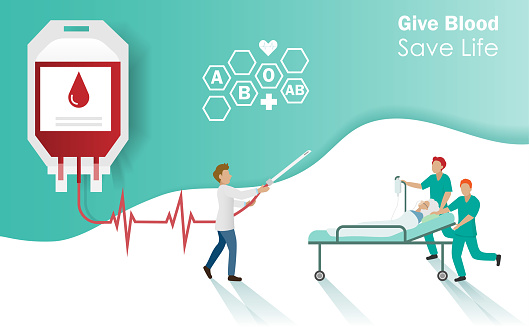
Saving Blood, Saving Lives
Blood products are a life saving resource and are essential to a successful healthcare system. The challenge is that they are both a scarce and expensive. Edendale Hospital was deemed one of the worst provincial performers in terms of the amount and cost of blood products used, misuse and ordering of products, this despite having a blood bank on site. Their challenge was to figure out an innovative strategy to ensure the correct use of blood products, decrease the amount of blood products used and also reduce expenditure. The result was a simple, yet effective strategy that sought to avoid inappropriate use of blood products.
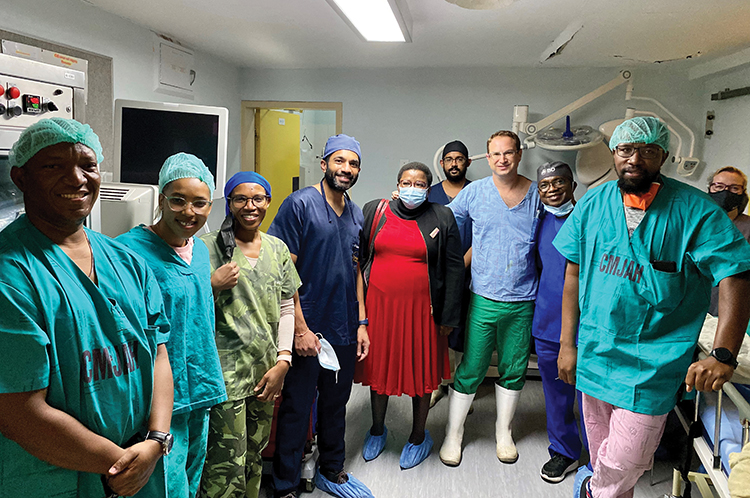
Early Prostate Cancer Treatment Project
Radiation Oncology at Charlotte Maxeke Johannesburg Academic Hospital (CMJAH) and Urology at CMJAH and Chris Hani Baragwanath Academic Hospital (CHBAH) have long waiting lists for patients to receive prostate cancer treatment. Treatment options involved 7-weeks of daily external beam radiotherapy (EBRT) or operations (radical prostatectomy) with extended hospital recovery stays. With limited linear accelerator time and surgical theatre time, patients wait up to 5 years before treatment, and some upstage their cancer. Using prostate brachytherapy, radioactive seeds are inserted into the prostate to treat the prostate cancer. The procedure takes 1 hour (vs. 4-5 hours for a radical prostatectomy), and patients are discharged the next day. Success rate is equivalent to the other treatment modalities for early-stage prostate cancer, and cures over 90% of patients.
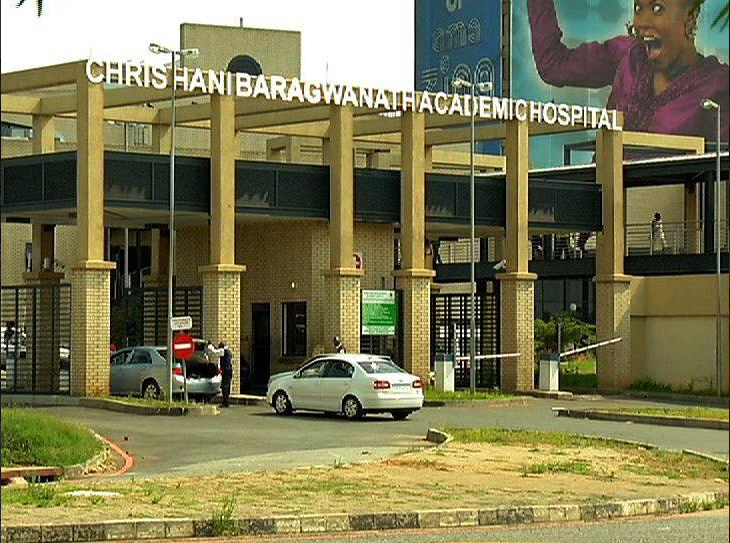
Multi-Disciplinary Package of Care for Lower Limb Replacement Arthroplasty Patients
In South Africa, there is an ongoing major challenge of extensive waiting lists of arthroplasty patients. To manage this challenge would require huge sums of money. Following the onset of COVID-19 pandemic, this challenge became worse particularly with the subsequent cancellation of elective surgeries. At Chris Hani Baragwanath Hospital (CHBAH), it would take as long as two years for patients to receive an arthroplasty operations as per the waiting list registry kept at the unit, not only did this attract bad media publicity, it also inevitably became a major political concern. In response, the orthopaedic physiotherapists at CHBAH developed a solution in the form of a multi-disciplinary package of care.
Date: 2026/01/28
Version: 0.1
Tags:
Public Health Innovations
Disability Interventions
Multidisciplinary Approach to Healthcare
Telehealth
.png)
Telehealth Implementation within the Paediatric Speech Therapy Outpatient Service
The implementation of telehealth into the paediatric speech therapy outpatient service was initiated as a result of the COVID-19 pandemic. Due to the pandemic, especially during level 5 and 4 lock down, patients were not able to access outpatient services. As restrictions were eased, it was evident that attending multiple appointments further added to the financial burden being faced by families as well as increasing their risk of exposure to COVID 19. As a result of these factors the innovation within the paediatric speech outpatient service through telehealth ensured that all patients still had access and were receiving speech therapy services, in accordance with patients’ right to therapy. Patients were provided with speech, language and feeding intervention in the comfort of their homes. This ensured that all patients are receiving the intervention that they have the right to receive, which is crucial, especially with Early Childhood (ECI) Intervention, which is a priority throughout all paediatric speech services. The reason being that ECI provides the opportunities for future success if intervention strategies are implemented from a young age. Essentially, it improves their overall outcomes.
Date: 2026/01/28
Version: 0.1
Tags:
Public Health Innovations
Disability Interventions
Telehealth
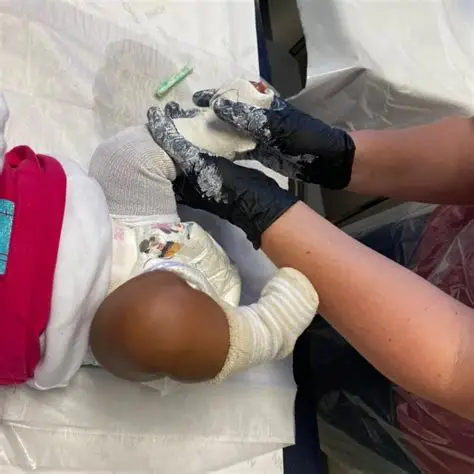
Expansion of Clubfoot Services and Training Project
Clubfoot is a common congenital musculoskeletal disorder that causes mobility impairment. It is one of the leading causes of physical disability in children, particularly in low to middle income countries. This is true, despite the fact that it is a treatable condition. Clubfoot is a deformity in which an infant's foot is turned inward, often so severely that the bottom of the foot faces sideways or even upward. The condition most often presents at birth and is caused by a shortened Achilles tendon. Generally, there is a lack of trained mid-level personnel to provide clubfoot treatment in Africa. In addition, there is no standard training courses. In Gauteng province, Clubfoot is generally managed in Academic Hospital clinics which are run by Orthopaedic Surgery Departments. This placed a huge burden on these facilities which are few while also forcing patients and their families to travel longer distances to seek treatment elsewhere. The Charlotte Maxeke Johannesburg Academic Hospital came up with a solution to deal with this challenge.
Date: 2026/01/27
Version: 0.1
Tags:
Public Health Innovations
Disability Interventions
Multidisciplinary Approach to Healthcare
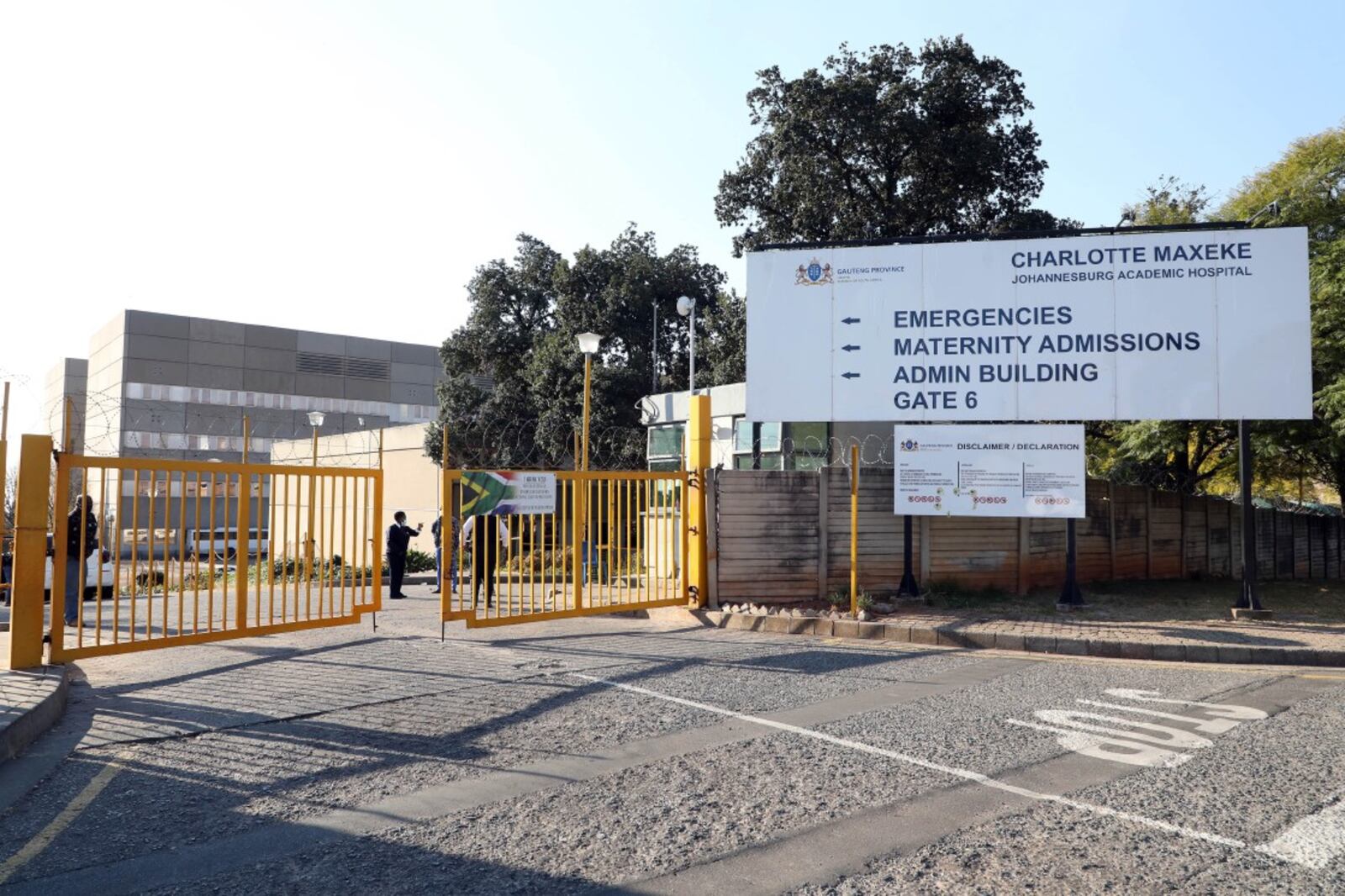
Early Childhood Intervention in Neonatal and Maternal Health
The project was started following an Early Childhood Intervention (ECI) training in February 2020, where three Charlotte Maxeke Johannesburg Academic Hospital (CMJAH) Therapeutic Service employees (Occupational Therapist, Speech Therapist and Physiotherapist) identified a need to initiate a Task Team to address the specific early intervention needs of the Paediatric community at CMJAH. While there is an existing multidisciplinary team focus within the CMJAH Paediatric Therapeutic service unit, the high burden of care and fast-paced work environment has resulted in challenges in collaboration in planning, organising, evaluating, and implementing new strategies within the ECI service delivery. Therefore, the key reason for initiating the task team is to provide a framework for the early intervention services and a guidance to plan, monitor and evaluate these services towards holistic patient care. The primary focus of the CMJAH ECI Task team for the past 12 months pertains to evaluations and innovations within the neonatal and maternal health target populations. This innovation plays a pertinent role in ensuring that systems are implemented for early detection and identification, assessment, and management of patients with high-risk birth factors. This is important to reduce the impact of the vulnerabilities associated with high-risk birth factors on a child’s holistic development within their family context.
Date: 2026/01/23
Version: 0.1
Tags:
Public Health Innovations
Multidisciplinary Approach to Healthcare
Neonatal Health
Maternal Health
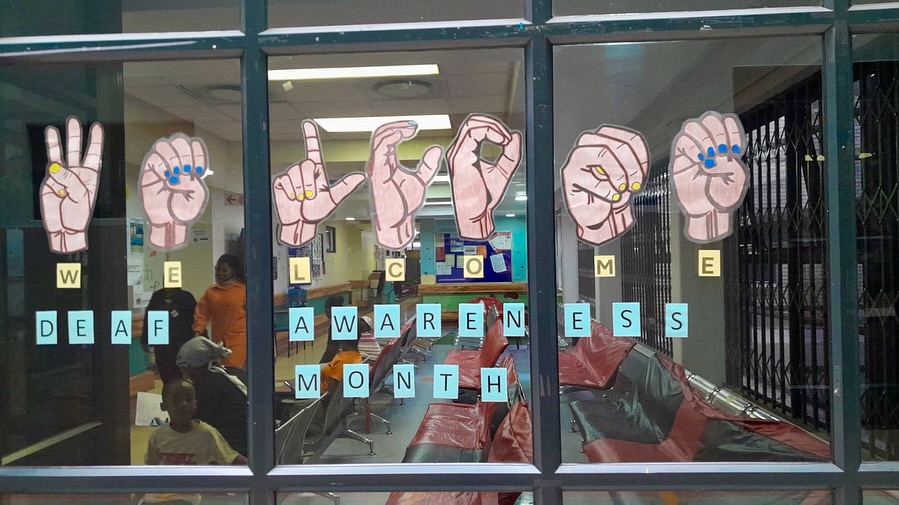
The Early Hearing Detection and Intervention (EHDI) Programme
Congenital hearing loss occurs most frequently at birth. The World Health Organization (2010) indicated newborn hearing impairment averages around 6 per 1000 births. Children develop language, communication, and cognitive skills by hearing. The early identification of hearing loss is necessary for healthy child development. With advancements in the method of assessing hearing status of newborns objectively, the implementation of a universal newborn hearing screening (UNHS) programme is an effective system to identify hearing loss early (Das et al., 2020). While early hearing detection and intervention (EHDI) focuses on the overall journey of the child from identification, diagnosis, and management (Moodley & Storbeck, 2015). The South African government recognises the value of UNHS; however, it has not been adopted within the public health sector that services approximately 80% of the population (Kanji, 2018). Recent studies have widely indicated that the implementation of an EHDI programme will have adverse economic effects in future.
Date: 2026/01/23
Version: 0.1
Tags:
Public Health Innovations
Disability Interventions
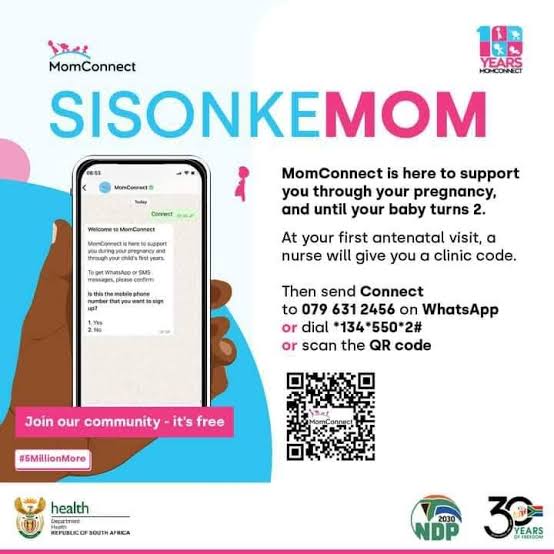
MomConnect
South Africa needs significant improvements to meet the Millenium Development Goals (MDGs) for child and maternal mortality. It is recognised that a large number of child and maternal deaths could be avoided if some basic interventions are implemented at scale. Many pilot projects in a number of countries, have successfully used cell phone technology as a tool to improve interventions which have been shown to improve Maternal and Child Health (MCH) outcomes. In South Arica, virtually every pregnant woman has access to cell phone. It is therefore considered that appropriate access to cellphone technology has the potential to accelerate interventions of proven value.
Date: 2026/01/22
Version: 0.1
Tags:
mHealth
Mobile Technology Solutions
Public Health Innovations
Maternal Health
Neonatal Health
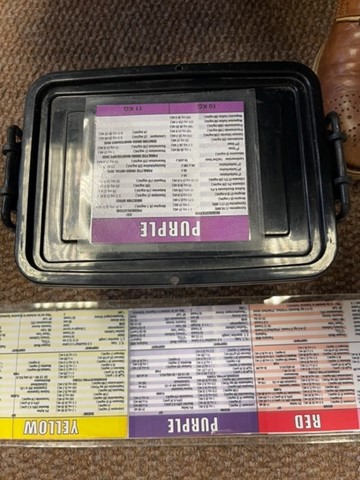
Broselow Emergency Reference Tape Inspired Resuscitation Boxes
Pediatric resuscitation can be very daunting at a Primary Healthcare (PHC) facility. This can be particularly stressful with new staff in the emergency with the rotation of staff at a PHC facility. Every PHC Emergency Center has a pediatric resuscitation trolley that is generally well stocked. Due to infrequent pediatric resuscitations at primary healthcare facilities and the rotation of clinical staff resuscitations are a challenge. There is often a rush to look for the appropriate size equipment and furious search for appropriate protocols on smart phone applications to find the correct dosages. The Mitchells Plain Community Health Center came up with a solution to this challenge.
Date: 2026/01/22
Version: 0.1
Tags:
Pediatric Health
Public Health Innovations
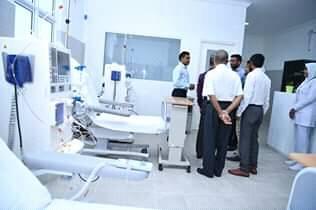
Quality Improvement Project on Triaging and Fast-tracking Maternity Patients
Patients at the Themba Hospital in Mpumalanga province were not triaged. They were attended on the basis of who came first unless labour was imminent or there was an emergency. This resulted in cases such as fetal distress, cord prolapse or uterine rupture not diagnosed immediately because patients had to wait for their turn. Many cases were not monitored. This contributed to poor maternal and fetal outcomes. The project aimed at creating a standardised and easy to use system for assessing and prioritising urgency of patients who were presented to the labour ward.
Date: 2026/01/22
Version: 0.1
Tags:
Maternal Health
Public Health Innovations
Neonatal Health
Hospital and Emergency Centre Tracking Information System (HECTIS)
It is universally accepted that the Emergency Centre (EC) is the coal face of the healthcare service delivery platform at all levels of care from primary to specialised institutions. As a consequence, the management and efficiency of this service will directly impact on the quality of patient outcomes. The Western Cape Department of Health historically utilised large amounts of paper-based registers to track the number and movement of patients through the Emergency Centre. This led to large amounts of redundant capturing of patient data at multiple touchpoints, poor access and quality of any patient EC Data, and an inability to manage the chaos which prevails at most Emergency Centres. The ECs are a high service pressured area and any relief to staff would have a major impact as well as enable better clinical and operational management of services. In response to this challenge, the HECTIS (Hospital and Emergency Centre Tracking Information System) application was developed. It was initially piloted at 4 Emergency Centres and iteratively improved over time. During COVID-19 it showed massive utility and is now, over the last 18 months, being scaled up to every public sector Emergency Centre in the province.
Date: 2026/01/22
Version: 0.1
Tags:
Patient Management System
Public Health Innovations
Government In-house Solutions
Pharmacy Speedy-Q System
The Speedy-Q system was implemented at Edenvale Hospital Outpatients Pharmacy to reduce patient waiting times. The pharmacy team conducted a study on waiting times- a common issue causing complaints and poor pharmacy experiences. Using the fishbone diagram, the root cause analysis revealed lengthy prescriptions, high patient volumes, staff shortages, inadequate infrastructure, and poor queuing systems as the main factors contributing to the issue. This was concerning to staff as working in a stressful environment impacts their mental and physical wellbeing. Pharmacy is the hospital's endpoint, causing outpatients to be exhausted from previous departmental consults and unable to queue for extended periods. Before Speedy-Q, waiting times ranged from 1 hour 15 minutes to 3 hours. Patients waited longer at pharmacy compared to the overall patient journey. Staff morale was affected, with staff taking sick leave four times a month. Due to human resource constraints and limited financial resources, a lean management approach was adopted, focusing on using available resources as a solution to the challenge. The dispensing process was restructured by implementing an innovative system to attain radical change and combat the long waiting times. Over its 21-month period, Speedy-Q has displayed a 78% reduction in waiting times.
Date: 2025/11/11
Version: 0.1
Tags:
Patient Waiting Times
Pharmacy Innovations
Public Health Innovations
.jpeg)
Digital Patient Journey (HMS2)
The project is transitioning the Eastern Cape Department of Health from a predominantly manual patient medical record system that integrates other systems within the digital health landscape in South Africa, that includes NHLS, SANBS, HPRS etc. The system that is deployed is called HMS2, which is a inhouse developed system that maintains a shared medical record, allowing for the electronic recording and sharing of patient journeys (encounters and episodes) within and between healthcare facilities. This significant advancement allows the EC DoH to access real-time patient information across implemented healthcare facilities.
Date: 2025/08/06
Version: 0.1
Tags:
Public Health Innovations
Government In-house Solution
Health Management System