Knowledge Repository
Explore our collection of knowledge resources and documents.
Find valuable information below.

Pharmacy Speedy-Q System
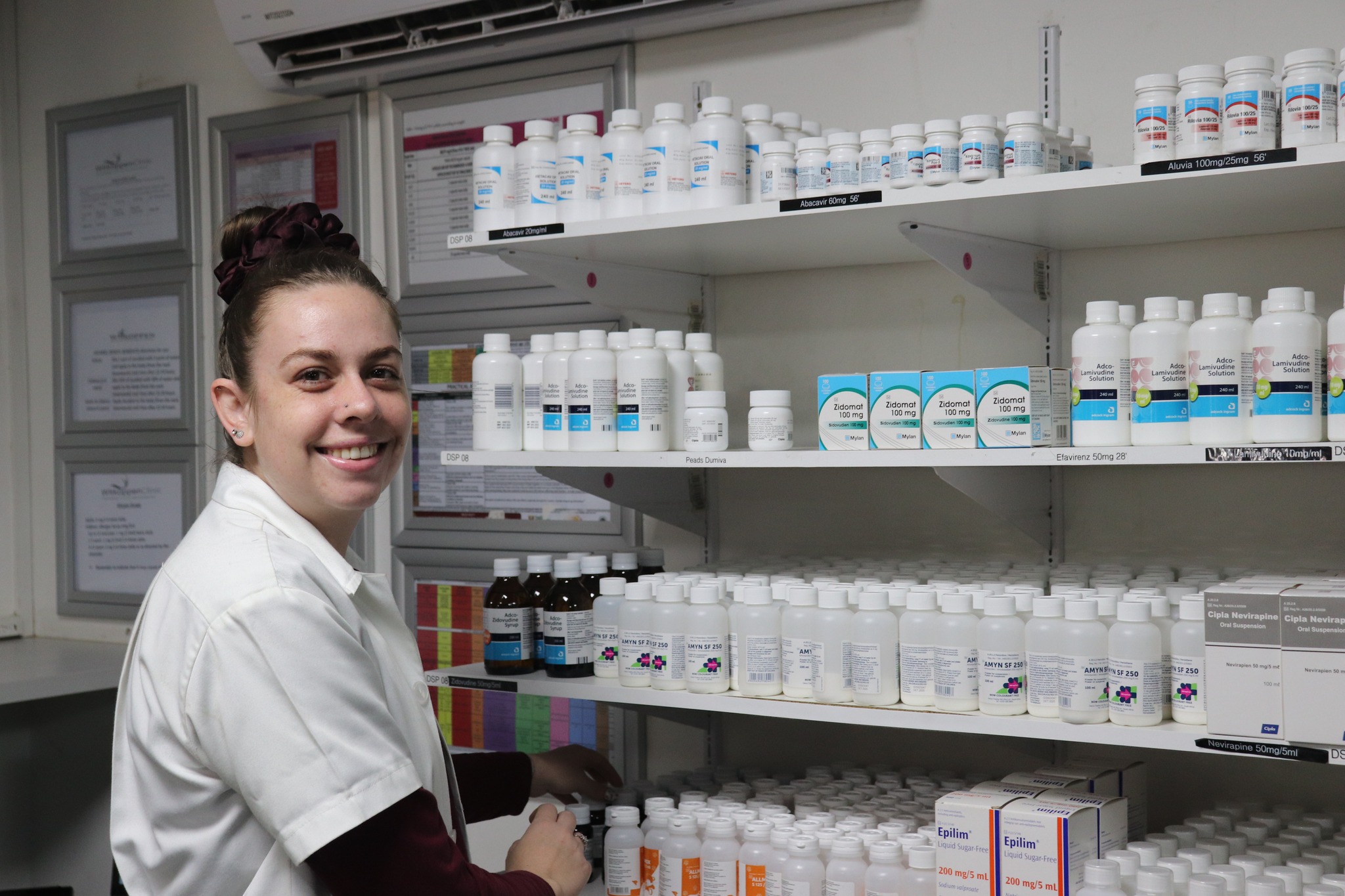
The Speedy-Q system was implemented at Edenvale Hospital Outpatients Pharmacy to reduce patient waiting times. The pharmacy team conducted a study on waiting times- a common issue causing complaints and poor pharmacy experiences. Using the fishbone diagram, the root cause analysis revealed lengthy prescriptions, high patient volumes, staff shortages, inadequate infrastructure, and poor queuing systems as the main factors contributing to the issue. This was concerning to staff as working in a stressful environment impacts their mental and physical wellbeing. Pharmacy is the hospital's endpoint, causing outpatients to be exhausted from previous departmental consults and unable to queue for extended periods. Before Speedy-Q, waiting times ranged from 1 hour 15 minutes to 3 hours. Patients waited longer at pharmacy compared to the overall patient journey. Staff morale was affected, with staff taking sick leave four times a month. Due to human resource constraints and limited financial resources, a lean management approach was adopted, focusing on using available resources as a solution to the challenge. The dispensing process was restructured by implementing an innovative system to attain radical change and combat the long waiting times. Over its 21-month period, Speedy-Q has displayed a 78% reduction in waiting times.
Date: 2025/11/11
Version: 0.1
Tags:
Patient Waiting Times
Pharmacy Innovations
Public Health Innovations
Central Chronic Medication Dispensary and Distribution (CCMDD)
South Africa has experienced an unpredicted growth in patients requiring access to long term therapies driven in part by universal access to Antiretroviral Therapy (ART) and steady increases in patients with non-communicable diseases (NCD) requiring chronic therapy. There is an over extension of public sector health care facilities creating strain on available resources and has contributed towards medicine shortages and challenges in the quality of care provided. The experience of patients is one of protracted waiting times and often congested facilities. The CCMDD programme identified an opportunity to target the long term therapy category and provide an alternative, more convenient solution for stable patients to access chronic medicine. Prescriptions would be dispensed and packaged offsite, and delivered to pre-assessed external pick-up points (PuPs) to provide the patient with a location that may be nearer to their homes or work place and result in reduced transport costs and decrease the economic burden on the patient. Prescribing would be done by public health facilities and dispensing and PuP services would be offered through private contracted parties. An ICT system was developed to manage the data transfers through the value chain from prescription to patient collection.
Date: 2025/08/13
Version: 0.1
Tags:
Digital Health System
Pharmacy Innovation
Public Health Solutions