Knowledge Repository
Explore our collection of knowledge resources and documents.
Find valuable information below.
.jpg)
Triage Clinic: Helping Patients and their Families Navigate a Complex Referral System
Late identification and referral was one of the challenges observed in the Speech Therapy and Audiology (STA) Department at the Chris Hani Baragwanath Academic Hospital (CHBAH). One of the main reasons children were identified late was due to long waiting times for appointments and/or incorrect referrals. To address this challenge the hospital initiated a triage service to sort and sift patients into appropriate services within the department and externally. The Triage Clinic runs four afternoons a week and is coordinated by a speech therapist and audiologist. The clinic provides an interdisciplinary screening service for paediatric patients at risk of or having hearing, communication and feeding disorders.
Date: 2026/09/01
Version: 0.1
Tags:
Public Health Innovations
Disability Interventions
Multidisciplinary Approach to Healthcare
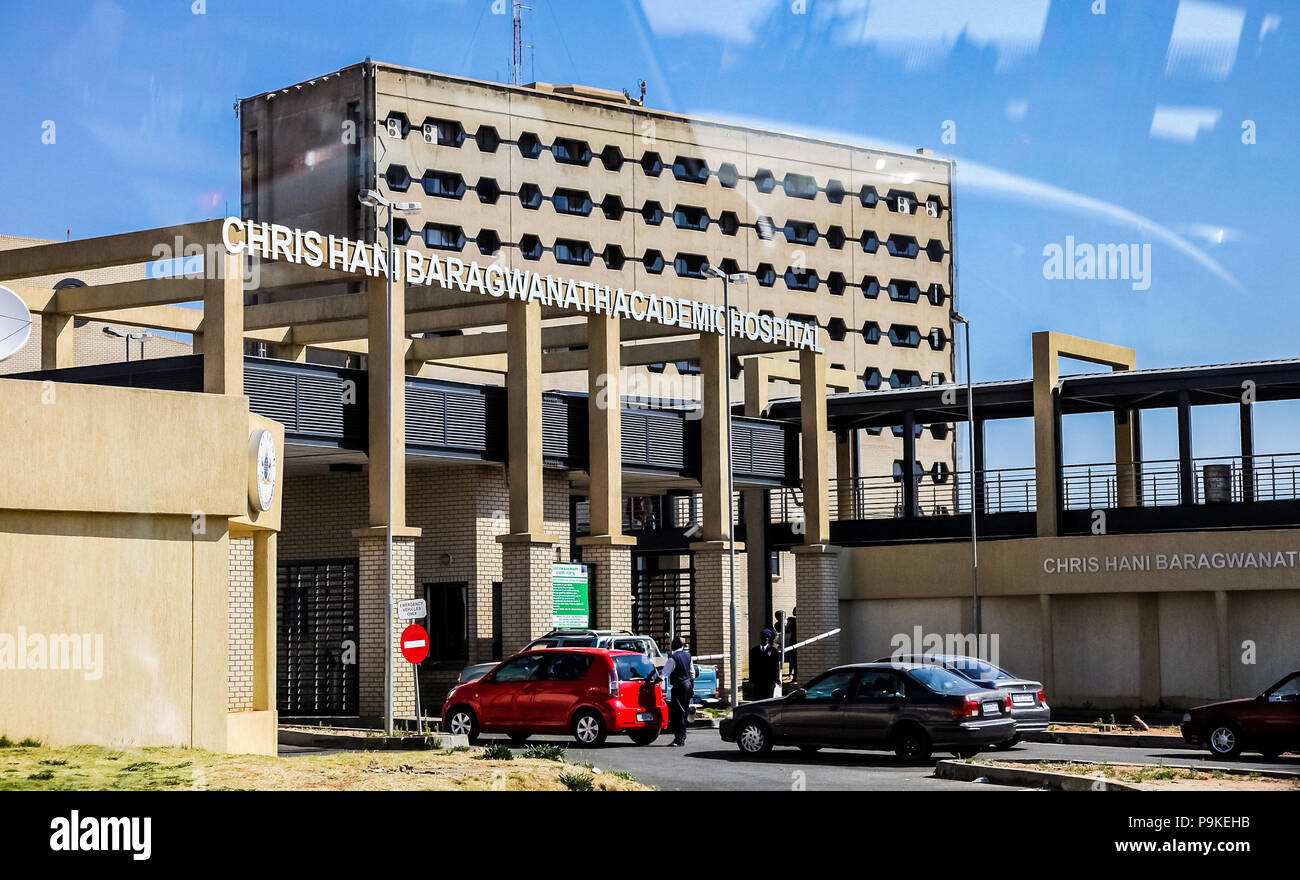
Outpatient Team-based Models to Facilitate Integrated Patient Care
Stroke/head injury survivors often present with difficulties communicating, swallowing, mobility, activities of daily living and reintegration into society. Their complex needs requires integrated, coordinated team approaches. South Africa has approximately 90 stroke survivors daily. Approximately 89000 cases of head injury are reported annually with limited numbers of professionals providing rehabilitation services. Chris Hani Baragwanath Academic Hospital (CHBAH) as a central hospital and the largest in Africa with approximately 3400 beds, deals with a huge number of patients with head injuries. After a median length of hospital stay of nine days, patients transition into out-patient services. Currently 2% of patients are accessing step-down facilities. This was found in a recent research study at the hospital Previously, patients were booked straight into general out-patient appointments resulting in increased waiting times, decreased therapist capacity and poor appointment utilization due to missed initial appointments/patient spontaneous recovery. Patients were booked for three separate appointments on different dates for all disciplines resulting in increased financial and caregiver burden, and poor attendance rates. The hospital therefore implemented a trans-disciplinary screening service and an inter-disciplinary out-patient service developed by the team (speech therapy, occupational therapy, and physiotherapy) at CHBAH to overcome the aforementioned patient and logistical challenges.
Date: 2026/09/01
Version: 0.1
Tags:
Public Health Innovations
Disability Interventions
Multidisciplinary Approach to Healthcare
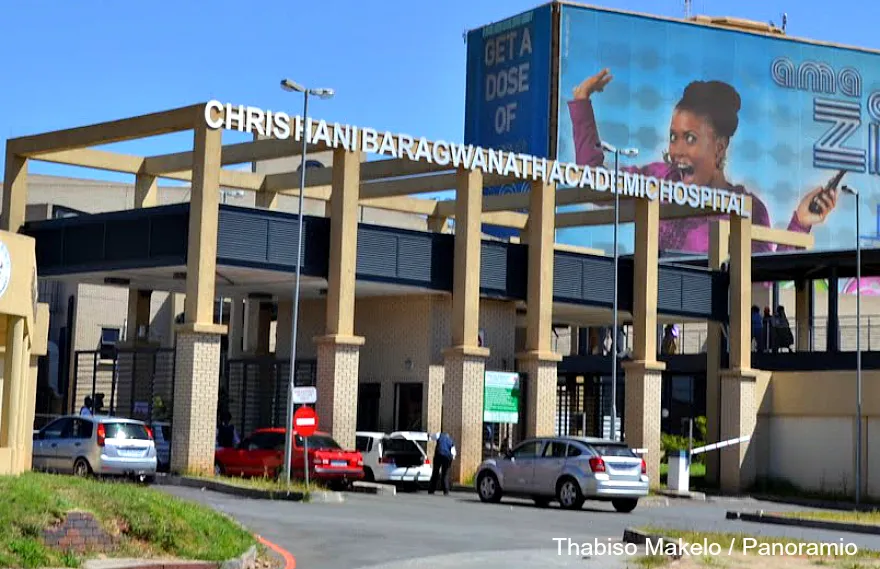
Breaking Barriers to Offer Evidence-Based Services for Patients with Parkinson's Disease in Gauteng
Progressive neurological disorders constitute a mounting crisis in Sub-Saharan Africa, where Parkinson’s disease prevalence ranges from 10 to 235 per 100 000 people. With cases projected to double by 2030 due to population aging, this represents a significant unaddressed healthcare challenge. The burden disproportionately affects low and middle-income countries, where healthcare infrastructure remains inadequate to meet growing demand. In response to this crisis, Chris Hani Baragwanath Academic Hospital established the first comprehensive Parkinson’s Group service in public healthcare. This group service was designed as a comprehensive response to the multifaceted barriers faced by patients: increased burden of disease in South Africa, lack of access to healthcare services, poor socio-economic standards of living, technological barriers and health literacy challenges.
Date: 2026/06/09
Version: 0.1
Tags:
Public Health Innovations
Multidisciplinary Approach to Healthcare
Multi-Disciplinary Package of Care for Lower Limb Replacement Arthroplasty Patients
In South Africa, there is an ongoing major challenge of extensive waiting lists of arthroplasty patients. To manage this challenge would require huge sums of money. Following the onset of COVID-19 pandemic, this challenge became worse particularly with the subsequent cancellation of elective surgeries. At Chris Hani Baragwanath Hospital (CHBAH), it would take as long as two years for patients to receive an arthroplasty operations as per the waiting list registry kept at the unit, not only did this attract bad media publicity, it also inevitably became a major political concern. In response, the orthopaedic physiotherapists at CHBAH developed a solution in the form of a multi-disciplinary package of care.
Date: 2026/01/28
Version: 0.1
Tags:
Public Health Innovations
Disability Interventions
Multidisciplinary Approach to Healthcare
Telehealth
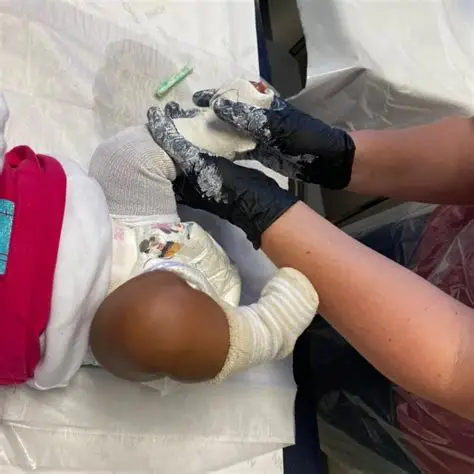
Expansion of Clubfoot Services and Training Project
Clubfoot is a common congenital musculoskeletal disorder that causes mobility impairment. It is one of the leading causes of physical disability in children, particularly in low to middle income countries. This is true, despite the fact that it is a treatable condition. Clubfoot is a deformity in which an infant's foot is turned inward, often so severely that the bottom of the foot faces sideways or even upward. The condition most often presents at birth and is caused by a shortened Achilles tendon. Generally, there is a lack of trained mid-level personnel to provide clubfoot treatment in Africa. In addition, there is no standard training courses. In Gauteng province, Clubfoot is generally managed in Academic Hospital clinics which are run by Orthopaedic Surgery Departments. This placed a huge burden on these facilities which are few while also forcing patients and their families to travel longer distances to seek treatment elsewhere. The Charlotte Maxeke Johannesburg Academic Hospital came up with a solution to deal with this challenge.
Date: 2026/01/27
Version: 0.1
Tags:
Public Health Innovations
Disability Interventions
Multidisciplinary Approach to Healthcare
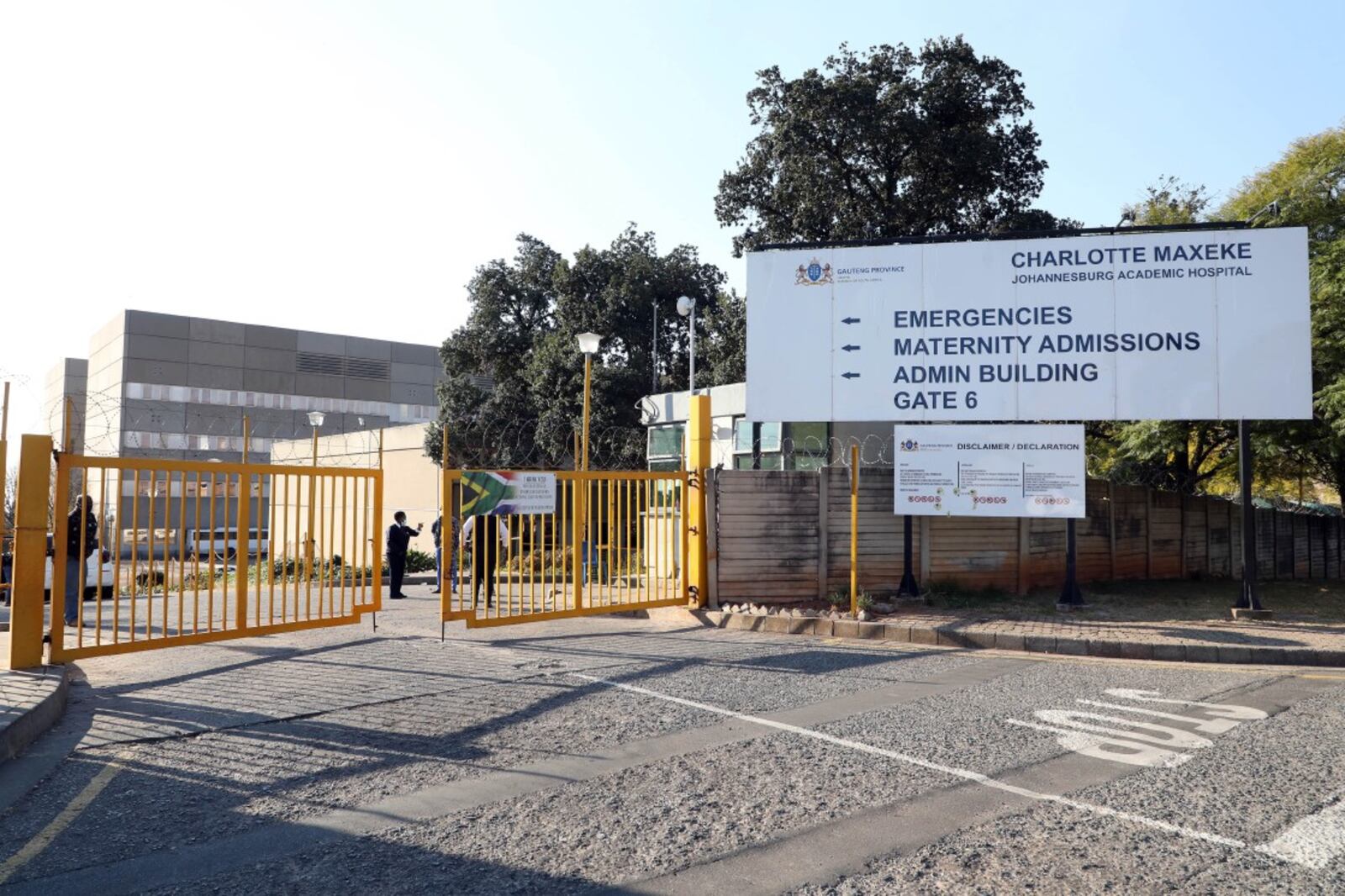
Early Childhood Intervention in Neonatal and Maternal Health
The project was started following an Early Childhood Intervention (ECI) training in February 2020, where three Charlotte Maxeke Johannesburg Academic Hospital (CMJAH) Therapeutic Service employees (Occupational Therapist, Speech Therapist and Physiotherapist) identified a need to initiate a Task Team to address the specific early intervention needs of the Paediatric community at CMJAH. While there is an existing multidisciplinary team focus within the CMJAH Paediatric Therapeutic service unit, the high burden of care and fast-paced work environment has resulted in challenges in collaboration in planning, organising, evaluating, and implementing new strategies within the ECI service delivery. Therefore, the key reason for initiating the task team is to provide a framework for the early intervention services and a guidance to plan, monitor and evaluate these services towards holistic patient care. The primary focus of the CMJAH ECI Task team for the past 12 months pertains to evaluations and innovations within the neonatal and maternal health target populations. This innovation plays a pertinent role in ensuring that systems are implemented for early detection and identification, assessment, and management of patients with high-risk birth factors. This is important to reduce the impact of the vulnerabilities associated with high-risk birth factors on a child’s holistic development within their family context.
Date: 2026/01/23
Version: 0.1
Tags:
Public Health Innovations
Multidisciplinary Approach to Healthcare
Neonatal Health
Maternal Health
.jpg)
Centre for Children with Special Needs
Bertha Gxowa Hospital started the Centre for Children with Special Needs to deal with challenges that faced children with special needs, their mothers and care givers who were spending more than a day when visiting the hospital for services. Children with special needs were seen on one-on-one basis in the past which resulted in delays. Appointments were booked on the same day by different parents and caregivers. This became overwhelming with the high referral rate. Waiting periods grew longer and patients were seen less frequently. As a result, the Cerebral Palsy Clinic also known as the Centre for Children with Special Needs was established. Tags:
Date: 2026/01/23
Version: 0.1
Tags:
Public Health Solutions
Disability Intervention
Waiting Times Reduction
Multidisciplinary Approach to Healthcare